
Advancing health equity through culturally responsive strategy.
June Carter Consulting LLC designs programs, such as The Shop Talk Project, to bridge the gap between underserved communities and mental health resources.
June Carter Consulting LLC provides strategic advocacy and systems design to bridge the gap between institutions and the communities they serve. Our core services include:
Equity & Inclusion Training: We provide organizations with actionable frameworks to implement equitable practices that are culturally responsive and sustainable.
Organizational Culture Audits: We perform deep-dive assessments of company culture to identify systemic barriers and foster an environment of belonging and accountability.
Educational Advocacy (IEP/504): We offer 1-on-1 support for parents and caregivers navigating the complex special education landscape, ensuring students receive the resources and legal protections they deserve.
Community Health Initiatives: Through programs like The Shop Talk Project, we transform nontraditional spaces into frontline hubs for mental health and wellness.
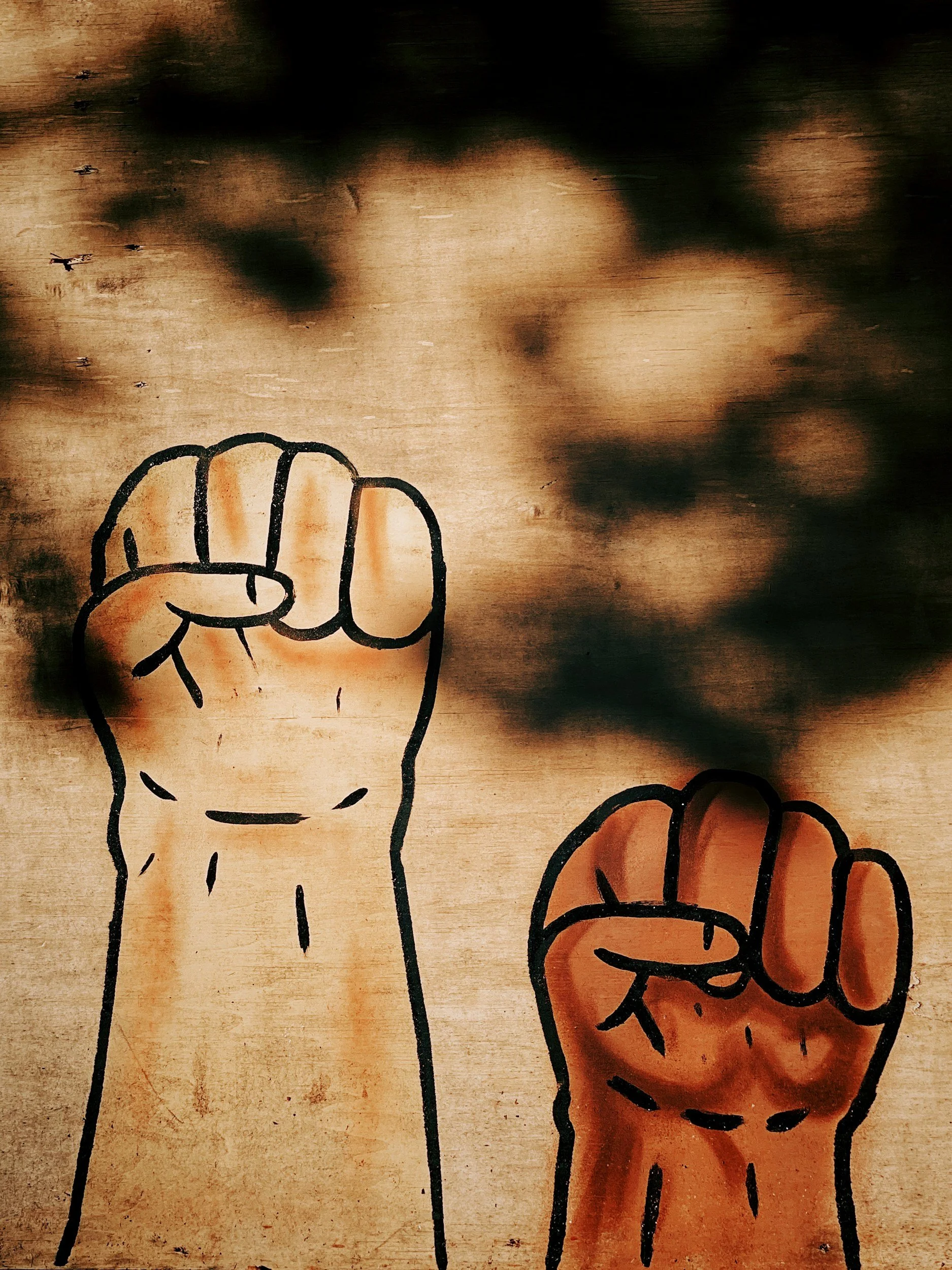

The Shop Talk Project
For generations, the barbershop has been more than a place for a haircut—it’s a sanctuary where stories are shared, and advice is given. The Shop Talk Project leverages this natural support system by equipping barbers with the tools to listen, de-escalate, and connect their clients to life-saving resources.
The Landscape
The Trust Gap: Black men are significantly less likely to seek traditional therapy due to provider mistrust and a lack of culturally informed care.
The Access Crisis: In low-SES neighborhoods, systemic defunding has left many ZIP codes as "Mental Health Deserts" with nearly zero local providers.
The Opportunity: Barbers are "gatekeepers" who see their clients multiple times a month, building years of therapeutic rapport that traditional clinicians cannot easily replicate.
A Solution
Phase 1: Precision Needs Assessment
Before we enter a neighborhood, we do the groundwork to ensure our presence is meaningful. We identify "Mental Health Deserts" by cross-referencing public data on poverty and violent crime with the density of existing mental health providers.
Hyper-Local Outreach: We use grocery store flyers, community surveys, and "boots on the ground" engagement to hear directly from residents.
Cultural Asset Mapping: We identify the "anchors" of the neighborhood—high-traffic barbershops with deep, multi-generational community ties—to establish a baseline of trust.
Phase 2: Specialized Modular Training
We don't just provide information; we build skills. Our curriculum is designed for the busy professional, delivered in bite-sized, mobile-friendly modules.
Active Listening: Mastering the art of the "intentional conversation" to create a safe space for vulnerability.
Mental Health First Aid (MHFA): Learning to spot the subtle signs of depression, trauma, and anxiety in a casual setting.
Crisis Response: Equipping barbers with de-escalation techniques to handle high-stress moments safely.
Phase 3: Destigmatization & Visibility
We provide the physical and digital tools to shift the neighborhood's "Shop Talk" toward wellness.
Visual Cues: Shops receive "Certified Wellness Hub" decals and materials that signal to clients that "it’s okay to not be okay" here.
Cultural Reframing: We help barbers lead conversations that bridge the gap between traditional masculinity and mental health resilience.
Phase 4: The "Warm Handoff"
The final step is the bridge to professional care. A barber shouldn't be a therapist, but they are the world's best referral source.
Vetted Networks: We provide a directory of local, culturally competent mental health professionals who understand the specific needs of men of color.
Restorative Justice: By creating an internal community safety net, we reduce the likelihood of crises escalating to law enforcement or emergency room visits.
Collaborative Network
Mental Health Professionals: We develop and maintain a vetted directory of clinicians who specialize in culturally responsive care for men of color.
Community Stakeholders: We collaborate with local leaders to ensure the project aligns with the specific needs of high-poverty or high-crime areas.
Service Providers: Barbers are treated as expert "gatekeepers" and partners, not just trainees.
Monitoring and Evaluation
Referral Success: Tracking the number of "warm handoffs" that lead to an initial therapy or advocacy appointment.
Stigma Reduction: Using periodic surveys to measure changes in how community members perceive mental health support.
Crisis Prevention: Monitoring the decrease in escalated incidents within partner shops through the use of de-escalation tools.
Sustainability and Ethics
Scope of Practice: The Shop Talk Project does not provide clinical therapy; it provides peer-based advocacy and navigation.
Capacity Building: Our goal is to leave the community stronger by empowering existing local leaders (the barbers) with permanent skills.
Scalability: While we are starting hyper-locally in "Mental Health Deserts," the modular framework is designed for national expansion.